

LEGACY INDUCTEE
FLYING X RODEO (EST. 1926)
DISTRICT 3 – YEAR 2027
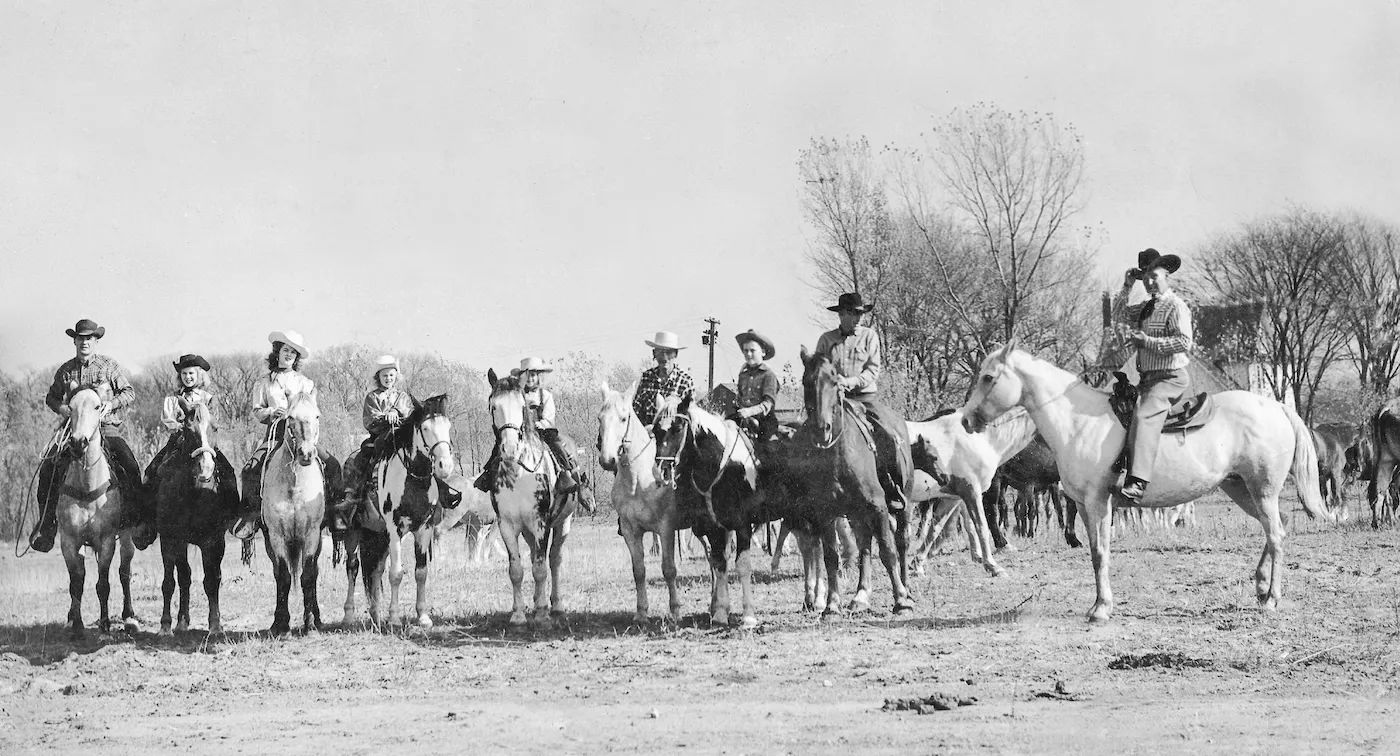
Founded in 1926 by Colonel A. L. "Cliff" Gatewood of Miles City, Montana, the Flying X Rodeo became one of the best-known traveling rodeo and Wild West productions in the United States during the 1930s and 1940s. Operating for approximately twenty years, the Flying X carried Montana's ranching and cowboy traditions to audiences throughout the Midwest, eastern United States, and Canada, helping introduce authentic western rodeo to thousands who had never visited the American West.
Colonel Gatewood organized the Flying X Rodeo during a period when rodeo was evolving from local ranch contests into professionally produced entertainment. From its Montana headquarters, the company developed a traveling production that combined genuine rodeo competition with precision horsemanship, trick riding, trick roping, relay races, Roman riding, comedy acts, grand entries, and exhibitions featuring buffalo, longhorn cattle, horses, and other livestock. The show's emphasis on skilled performers, quality stock, and family entertainment established the Flying X as one of the nation's premier touring rodeos.
Each season the Flying X traveled extensively by rail and truck, transporting hundreds of animals and dozens of performers to fairs, arenas, and coliseums across the country. The rodeo became a familiar attraction throughout Michigan, Illinois, Indiana, Ohio, Wisconsin, Kentucky, Pennsylvania, New York, Ontario, Quebec, and other Midwestern and Eastern states. Newspaper advertisements and trade publications documented engagements at county fairs, state fairs, and major indoor venues, bringing the traditions of the American cowboy to urban audiences.
One of the Flying X Rodeo's most significant achievements came in December 1940, when it presented its first indoor performances at the Chicago Coliseum. Running from December 7 through December 15, the production attracted an estimated 75,000 spectators during its nine-day engagement. Approximately sixty cowboys and fifteen cowgirls from Montana, Wyoming, North Dakota, South Dakota, and Texas participated, demonstrating the depth of western talent assembled by Colonel Gatewood.
Among the featured performers were Joe Cody, a descendant of William F. "Buffalo Bill" Cody, and Emily Jean Davis, a nationally recognized twelve-year-old fancy rope twirler from Texas. Additional performers documented in programs and trade publications included Ralph Clark, Clarence Canary, Jim Hawk, Earl Button, Bill Buchbaum, Doris Daniels, Jessie Davis, Marion Davis, Loretta Davis, Captain Jinks Hoagland, Cora Hoagland, Rudy Rudynoff, and Bowen Slaters. Family members also played important roles in the production, including Shirley Gatewood, who became known as one of the show's featured trick riders.
Beyond its entertainment value, the Flying X Rodeo played an important role in preserving traditional cowboy skills and providing employment for talented cow folk during a period when mechanization was rapidly changing ranch life. By presenting authentic bronc riding, bull riding, steer roping, trick riding, and horsemanship before large urban audiences, The Flying X helped bridge the era of the classic Wild West shows and the emergence of modern professional rodeo.
Family histories associated with the Flying X Rodeo recount that future film stars Roy Rogers and John Wayne had connections with Colonel Gatewood and the show during their early careers, and that characters portraying the Lone Ranger and Tonto made guest appearances. While these stories remain part of the family's history, they continue to illustrate the broad reputation and influence the Flying X Rodeo achieved during its years on the road.
From its beginnings in Montana to its performances before tens of thousands of spectators across North America, the Flying X Rodeo served as an outstanding ambassador for Montana's cowboy culture.
The Flying X Rodeo’s founder Colonel Clifford Gatewood and his wife Elsie Gatewood, together, had dedicated their lives to preserving and promoting Montana's western heritage through ranching, rodeo, horse training and their commitment to the cowboy way of life.
While traveling to various parts of the country with a stop in
Indiana, the Colonel met his future wife while out ranching in Indiana. He came across a group of women walking across a field. The Colonel galloped up to them on horseback, spotted Elsie and roped her right then and there. It was love at first sight and they wed in Dekalb, Indiana in 1936. For twenty years they ran the rodeo together with their seven children, Shirley, Linda, Patty, Roxy, Jim, Jack and Clifford Jr.
Together, Clifford and Elsie represented the values that define Montana's cowboy heritage: hard work, perseverance, hospitality, and service to others. Their home, ranch, and rodeo became places where families gathered, friendships were formed, and western traditions were passed from one generation to the next. Their influence reached beyond the arena, strengthening the communities they served and inspiring young people to appreciate the values of the western way of life.
After a 30 year run in the rodeo business, The Colonel fell gravely ill in the fall of 1956. It was decided to close the rodeo to focus on his health and recovery, but unfortunately he died soon thereafter. The closing of the rodeo marked the end of an important chapter in Montana rodeo history, but it did not diminish the legacy The Colonel and Elsie created together. The Colonel founded a historic rodeo and alongside him was his wife, Elsie, who like many ranch wives of her generation, worked tirelessly behind the scenes while also serving as an active partner in every aspect of their operation. Her contributions helped ensure that the rodeo and ranch remained successful and respected throughout the community.
The Montana Cowboy Hall of Fame recognizes individuals whose lives exemplify the traditions and enduring legacy of the Montana cowboy. The Colonel and Elsie Gatewood devoted their lives to those ideals which make them highly deserving of this distinguished honor to preserve their story for future generations.
References
- Family records and recollections of the Gatewood family.
- Additional newspaper archives and historical collections documenting Flying X Rodeo performances.
- Billboard Magazine, 1937–1946.
- Chicago Tribune, December 1940 and 1941.
- Chicago Coliseum rodeo programs.
- Kentucky State Fair records.
- Montreal rodeo and exhibition records.
- Michigan newspaper advertisements and fair programs.
- Family records and recollections of the Gatewood family.
- Additional newspaper archives and historical collections documenting Flying X Rodeo performances.